Creating A Successful Employer Brand and Employee Value Proposition (EVP)
Defining and communicating a compelling employee value proposition (EVP) and designing this into an effective employer brand, is more critical than ever. As employee demographics, behaviours and needs continue to change, your EVP can help you stand out from competitors and define your attractiveness to new and existing talent alike.
As an employer brand and EVP agency, Blue Goose helps you shape these strategies and narrative through our proven frameworks and help bring it to life internally and externally to deliver the change you’re looking for.
EVP and Employer Brand best practice
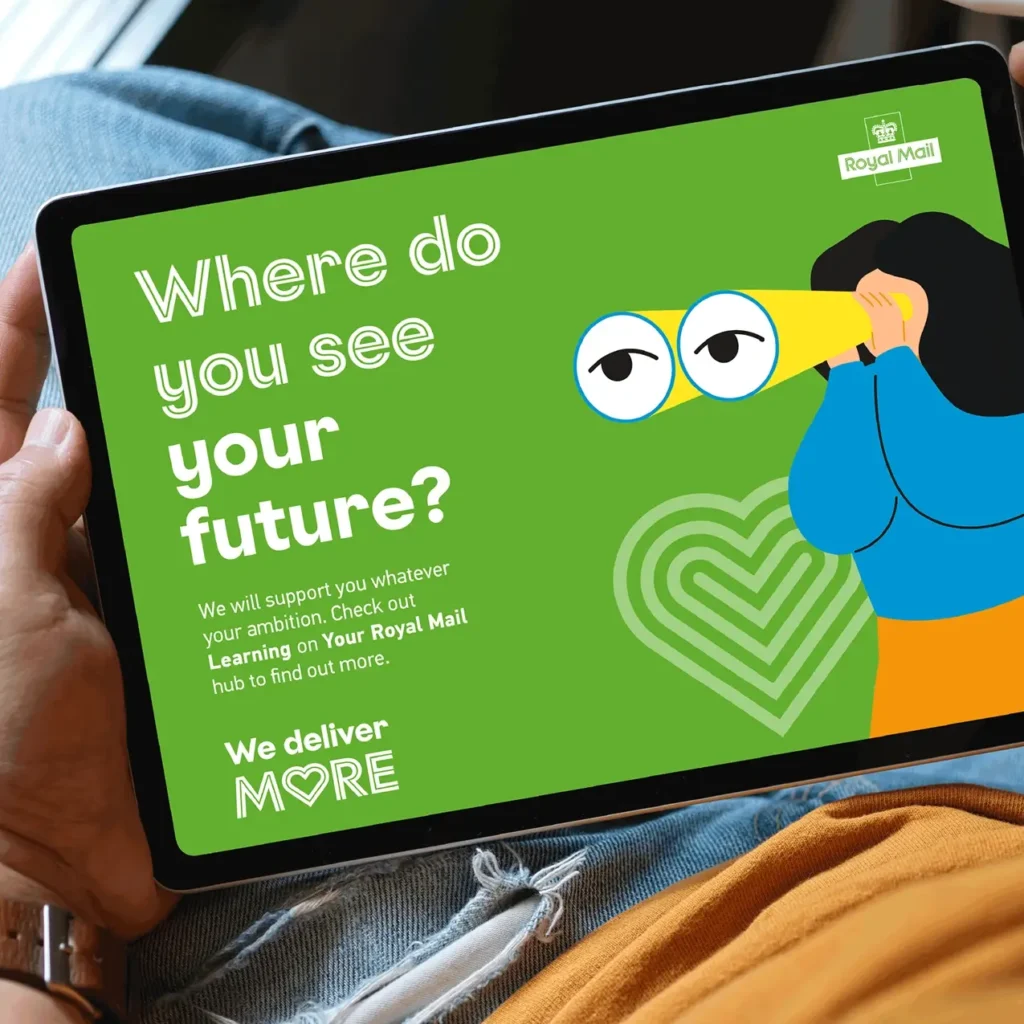
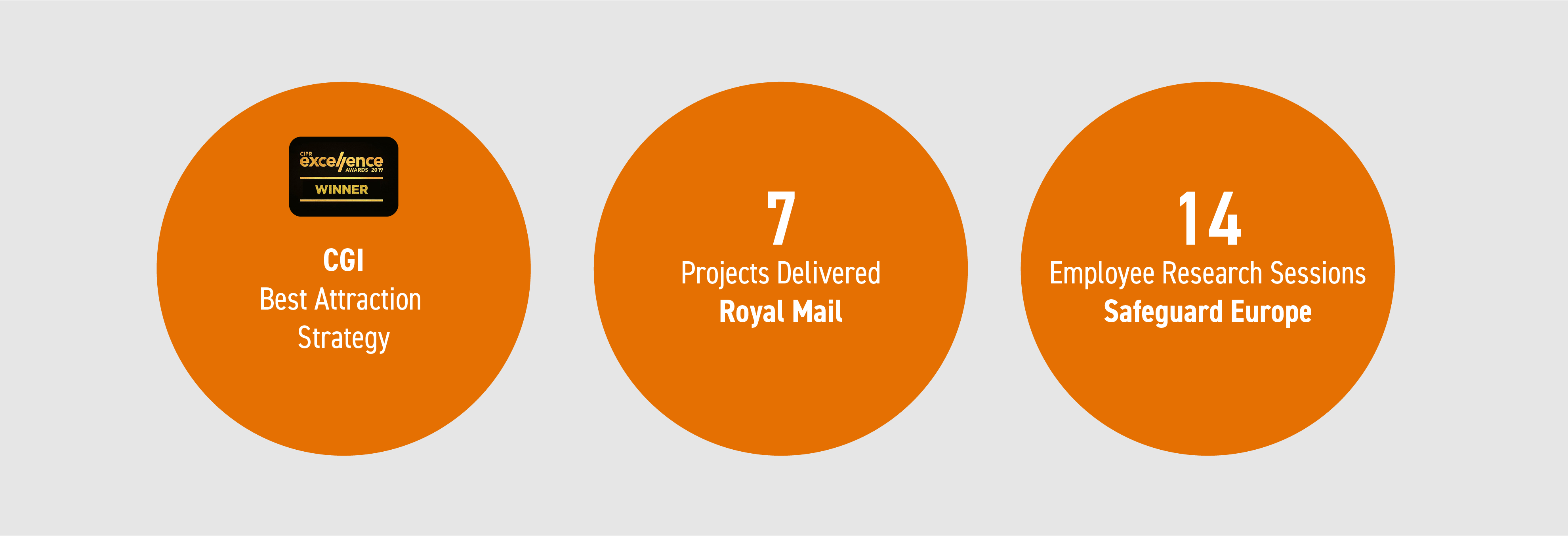
As an award-winning employer brand and EVP agency, working with organisations such as Royal Mail, BEIS, Co-op and CGI, we believe an effective EVP should be aligned with the organisation’s vision, mission, purpose, values and culture. Additionally, your EVP should have the following characteristics:
- Directly address or improve the employee experience
- Advertise what’s best about an organisation, and assert that inside and out
- Be distinct, compelling and memorable, to act as both carrot to those on the outside, and glue for those on the inside
- Be consistent and coherent across the whole lifecycle for employees on the journey all the way from attraction through to departure
Making EVP right for your people and measuring success
To get the EVP and Employer Brand right, it needs to come from the most reliable source – your people. They can tell us what’s best about you and what needs to improve, to help shape both the position and employee experience as a whole.
That will hep define an EVP and Employer Brand that is true and honest but also speaks to the improvements you need and plan to make. The perfect mix of reality and ambition.
We’ll then work with you, to help execute the EVP and Brand internally and externally, bringing it to the attention of the talent you’re most looking to attract and reassert what’s best about your organisation to existing employees.
We also help you measure the success of the EVP to determine if it is having the affect you introduced it for – be that attraction, retention or positivity around the whole employee experience.
Did you miss our Blue Goose Briefing event about ‘The Third Age of the EVP’? You can read about it here.

Talk to our team of specialists today
EVP AND EMPLOYER BRAND Resources: FAQs, Case Studies and Insight
Frequently Asked Questions
EVP, an acronym for employee value proposition, has an internal focus, communicating to employees what they receive in return for their commitment to the organisation.
Employer branding has an external focus which shapes the company’s reputation and perception to the wider job market. It is important that the employer brand and EVP align, creating a smooth and consistent experience for new employees as they join and begin their roles.
There is no right or wrong way to work on your company’s EVP, the process will be unique to your organisation.
However, the creation of an EVP is typically led by HR and involves input from senior leaders, brand and marketing, internal communications teams and should consult and involve diverse viewpoints from employees across your organisation.
Your employer branding will appear across channels such as:
– a careers section on the company website
job boards for specific industries
– social media channels such as LinkedIn, Instagram and TikTok;
– events and job fairs where companies can meet potential candidates;
– employer review sites such as Glassdoor;
– and employee referral programs where employees are rewarded for recommending successful candidates
The key pillars of an EVP are: Pay and Benefits, Career Development, Ways of Working, Company Culture, and Purpose.
What you communicate about these areas will help set you apart from the competition and ensure you attract, inspire, and keep the best employees in your organisation.
Employer brand targets current and future employees whereas corporate branding focuses on customers, investors and the general public.
Your employer brand aims to attract and retain top talent while the corporate brand aims to increase sales and create customer loyalty. It’s important for your employer brand to align with your corporate brand because potential employees, who might also be your customers, expect the employee experience to feel authentic and true to what they know about your business.